
How Cargo Consolidation Helps Exporters Reduce Costs and Improve Efficiency
In today’s competitive global marketplace, businesses are constantly looking for ways to optimize their supply chains, reduce transportation expenses, and improve delivery performance. One of the most effective logistics strategies for achieving these goals is cargo consolidation.
In this article, we’ll explore how cargo consolidation works, its key benefits, and why it has become an essential solution for exporters worldwide.
What Is Cargo Consolidation?
Cargo consolidation is the process of combining multiple smaller shipments into a single larger shipment before transportation.
Instead of shipping individual loads separately, logistics providers group cargo from different exporters that share a common destination or transportation route.
This approach allows businesses to take advantage of economies of scale, reducing transportation costs while maximizing available cargo space.
Common Types of Consolidation
- Air freight consolidation
- Ocean freight consolidation
- Truckload consolidation
- Perishable cargo consolidation
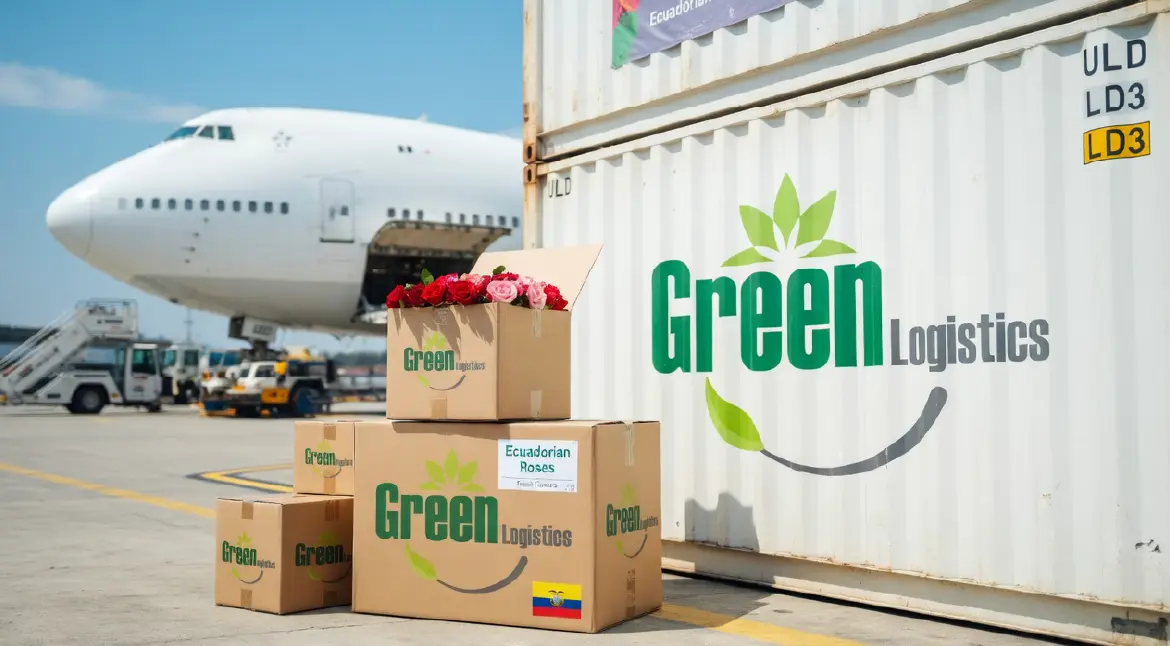
- Floral cargo consolidation
For industries such as floriculture, consolidation is especially valuable because it allows frequent shipments while maintaining cost efficiency.
Why Cargo Consolidation Matters
Transportation costs continue to be one of the largest expenses in international trade. Empty space in containers, trucks, or aircraft translates directly into wasted resources.
Cargo consolidation solves this challenge by optimizing capacity utilization and reducing unnecessary expenses.
Companies that implement consolidation strategies often experience:
- Lower freight costs
- Improved shipment planning
- Faster cargo handling
- Better transportation efficiency
- Enhanced supply chain visibility
The Financial Benefits of Cargo Consolidation
Reduced Freight Costs
One of the biggest advantages of cargo consolidation is cost reduction.
By sharing transportation resources with other exporters, businesses can access more competitive freight rates than they would with individual shipments.
This is particularly beneficial for small and medium-sized exporters that may not generate enough volume to fill an entire truck, container, or aircraft pallet.
Better Use of Transportation Capacity
Consolidated shipments maximize available cargo space.
Instead of paying for partially utilized transportation, exporters only pay for the space they actually use, improving overall cost efficiency.
Lower Operational Expenses
Fewer shipments often mean:
- Reduced handling costs
- Lower administrative expenses
- Fewer transportation transactions
- Simplified logistics management
The result is a more streamlined and cost-effective supply chain.
How Cargo Consolidation Improves Logistics Efficiency
Beyond financial savings, cargo consolidation creates operational advantages that contribute to long-term business success.
Improved Shipment Coordination
Consolidated cargo is managed through centralized logistics planning, which helps improve scheduling accuracy and transportation reliability.
Reduced Carbon Footprint
By maximizing transportation capacity, fewer vehicles, containers, and aircraft are required to move the same volume of goods.
This contributes to:
- Lower fuel consumption
- Reduced emissions
- More sustainable logistics operations
Greater Supply Chain Visibility
Modern logistics providers use advanced tracking systems that allow exporters to monitor shipments throughout the transportation process.
This visibility helps businesses make informed decisions and respond quickly to potential disruptions.
Cargo Consolidation in the Flower Industry
The floriculture sector is one of the industries that benefits most from cargo consolidation.
Fresh flowers require:
- Rapid transportation
- Cold chain management
- Frequent departures
- Careful handling
Specialized logistics providers consolidate shipments from multiple growers into coordinated export loads destined for international markets.
This model allows flower exporters to:
- Access global markets more efficiently
- Maintain product freshness
- Reduce shipping costs
- Improve delivery consistency
Daily floral cargo consolidations from major production hubs help ensure flowers reach wholesalers and retailers quickly and in excellent condition.
The Role of Specialized Logistics Providers
Successful cargo consolidation depends on experienced logistics partners capable of coordinating multiple shipments while maintaining service quality.
Professional logistics providers typically offer:
- Warehousing and storage
- Cargo consolidation services
- Cold chain management
- Customs coordination
- Transportation planning
- Door-to-door logistics solutions
Their expertise helps exporters transform logistics from a cost center into a competitive advantage.
Best Practices for Effective Cargo Consolidation
To maximize the benefits of consolidation, businesses should:
Plan Shipments in Advance
Early planning allows logistics providers to optimize consolidation opportunities and secure better transportation rates.
Work with Specialized Providers
Choose logistics partners with proven experience in your industry and destination markets.
Prioritize Supply Chain Visibility
Use technology solutions that provide real-time shipment tracking and performance monitoring.
Maintain Quality Standards
For perishable products, ensure that cold chain protocols remain intact throughout the consolidation process.
Conclusion
Cargo consolidation is much more than a logistics technique—it is a strategic tool that helps businesses reduce costs, improve efficiency, and strengthen their competitive position in global markets.
By combining shipments, optimizing transportation capacity, and leveraging professional logistics expertise, exporters can transform logistics expenses into measurable business benefits.
As international trade continues to evolve, cargo consolidation services, freight consolidation, and supply chain optimization will remain essential strategies for companies seeking sustainable growth and operational excellence.