
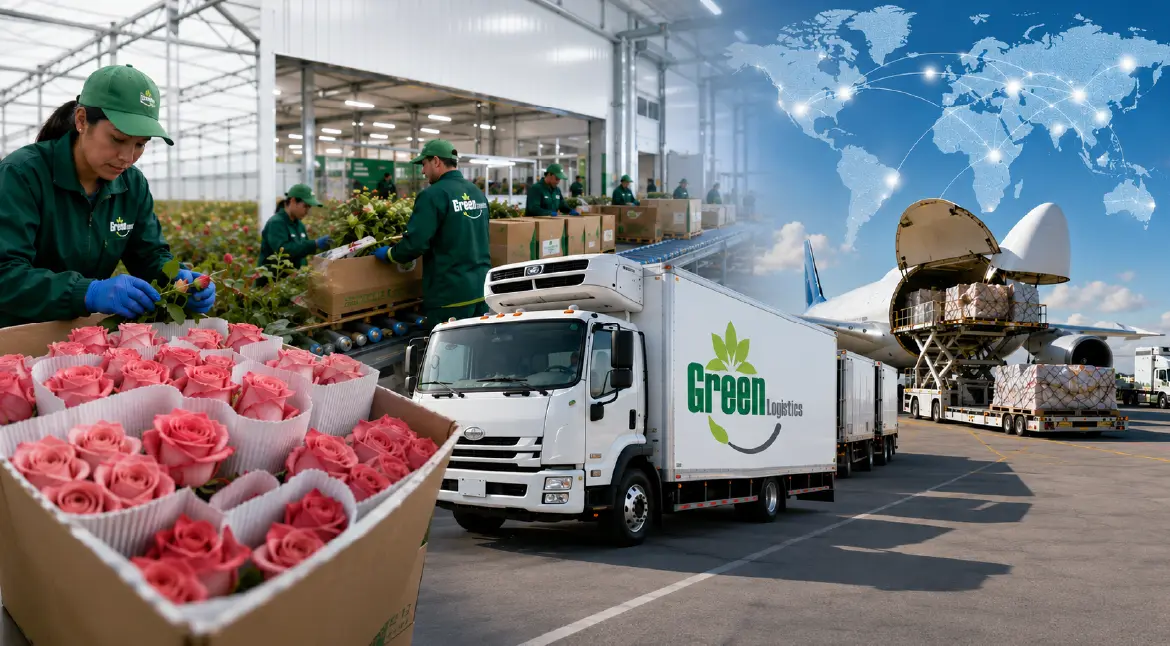
Building a Smarter Supply Chain for Global Success
In today’s fast-paced global economy, businesses can no longer afford inefficiencies in their supply chains. Customers expect faster deliveries, greater transparency, and consistent product quality, while companies face increasing pressure to reduce costs and improve operational performance.
The key to meeting these challenges lies in optimizing every stage of the supply chain—from planning and procurement to transportation and final delivery.
In this article, we’ll explore how businesses can improve supply chain performance, increase efficiency, and create a competitive advantage through strategic logistics management.
What Is Supply Chain Optimization?
Supply chain optimization is the process of improving the flow of goods, information, and resources throughout the entire logistics network.
The goal is to maximize efficiency while minimizing costs, delays, and operational risks.
A well-optimized supply chain enables businesses to:
- Improve customer satisfaction
- Reduce operational expenses
- Increase inventory visibility
- Enhance delivery performance
- Strengthen business resilience
- Support long-term growth
In industries such as floriculture, agriculture, and perishable goods, supply chain optimization is essential to maintaining product quality and meeting market demands.
Step 1: Strategic Planning
Every successful supply chain begins with effective planning.
Without accurate forecasting and logistics coordination, businesses risk inventory shortages, transportation delays, and increased costs.
Key planning activities include:
- Demand forecasting
- Production scheduling
- Inventory management
- Transportation planning
- Capacity allocation
Modern supply chains use data-driven insights to anticipate market trends and improve decision-making.
Step 2: Procurement and Supplier Coordination
Strong supplier relationships play a critical role in supply chain performance.
Businesses that collaborate closely with suppliers benefit from:
- Better inventory availability
- Reduced lead times
- Improved communication
- Greater operational flexibility
Establishing clear expectations and maintaining consistent communication helps minimize disruptions throughout the supply chain.
Step 3: Inventory Management
Inventory serves as the bridge between production and customer demand.
However, maintaining excessive inventory can increase storage costs, while insufficient inventory can result in lost sales opportunities.
Effective inventory management focuses on:
- Stock visibility
- Demand forecasting
- Inventory turnover optimization
- Warehouse efficiency
- Product availability
Technology-driven inventory systems help businesses maintain the right balance between supply and demand.
Step 4: Warehousing and Storage
Warehouses are much more than storage facilities—they are strategic distribution centers that influence the speed and efficiency of logistics operations.
Optimized warehousing provides:
- Faster order processing
- Better inventory control
- Reduced handling times
- Improved shipment accuracy
For perishable products such as flowers, refrigerated storage and cold chain management are essential to preserving quality.
Step 5: Transportation Optimization
Transportation is often the most significant cost component of the supply chain.
Optimizing transportation involves selecting the most efficient combination of:
- Air freight
- Ocean freight
- Ground transportation
- Multimodal logistics
- Cargo consolidation
Businesses that optimize transportation routes and cargo utilization can significantly reduce costs while improving delivery performance.
Step 6: Real-Time Visibility and Tracking
Modern supply chains rely heavily on technology to provide visibility across every stage of the logistics process.
Real-time tracking enables businesses to:
- Monitor shipments continuously
- Identify potential delays
- Improve customer communication
- Make proactive decisions
- Increase operational control
Greater visibility reduces uncertainty and strengthens supply chain reliability.
Step 7: Customs and Regulatory Compliance
For international operations, compliance is critical.
Proper management of customs documentation and regulatory requirements helps businesses avoid:
- Shipment delays
- Additional fees
- Compliance violations
- Customer dissatisfaction
Experienced logistics providers simplify this process by coordinating documentation and customs procedures efficiently.
Step 8: Final Delivery and Customer Experience
The final stage of the supply chain is often the most visible to customers.
Timely and accurate delivery directly impacts customer satisfaction and brand reputation.
Successful last-mile and final delivery strategies focus on:
- Delivery accuracy
- Speed
- Communication
- Product integrity
- Customer service
A positive delivery experience can strengthen long-term customer relationships and encourage repeat business.
The Role of Technology in Supply Chain Optimization
Digital transformation is reshaping modern logistics.
Advanced technologies such as:
- Transportation Management Systems (TMS)
- Warehouse Management Systems (WMS)
- GPS tracking
- Predictive analytics
- Artificial intelligence
- Supply chain automation
help companies make smarter decisions and improve operational performance.
Organizations that invest in technology gain greater visibility, efficiency, and scalability.
Why Supply Chain Optimization Matters for the Floriculture Industry
For flower exporters, supply chain performance directly affects product quality and profitability.
Fresh flowers require:
- Precise planning
- Cold chain management
- Fast transportation
- Cargo consolidation
- Real-time monitoring
A well-optimized logistics network helps preserve freshness while ensuring flowers reach international markets quickly and efficiently.
Best Practices for Optimizing Your Supply Chain
Use Data to Drive Decisions
Analyze performance metrics and identify opportunities for continuous improvement.
Partner with Experienced Logistics Providers
Specialized logistics companies offer expertise, infrastructure, and global transportation networks.
Improve Communication Across the Supply Chain
Collaboration between suppliers, logistics providers, and customers helps prevent disruptions.
Invest in Technology
Automation and visibility tools improve efficiency and support business growth.
Focus on Continuous Improvement
Supply chain optimization is an ongoing process that evolves with market conditions and customer expectations.
Conclusion
Supply chain optimization is no longer optional—it’s a strategic necessity for businesses competing in today’s global marketplace.
From planning and inventory management to transportation, customs coordination, and final delivery, every stage presents opportunities to improve efficiency and reduce costs.
Companies that optimize their supply chains gain a significant competitive advantage through better service, increased reliability, and stronger profitability.
By partnering with experienced logistics providers and leveraging advanced technology, businesses can transform their supply chains into powerful engines for growth and long-term success.